

RedhawkPro 6 in. (150mm) Bi-Metal Reciprocating Saw Blades, 18 TPI & 24 TPI - Sabre Saw Blades for Metal, Pipe, Angle Iron & Nail-Embedded Wood
RedhawkPro 6 in. (150mm) Bi-Metal Reciprocating Saw Blades, 18 TPI & 24 TPI - Sabre Saw Blades for Metal, Pipe, Angle Iron & Nail-Embedded Wood
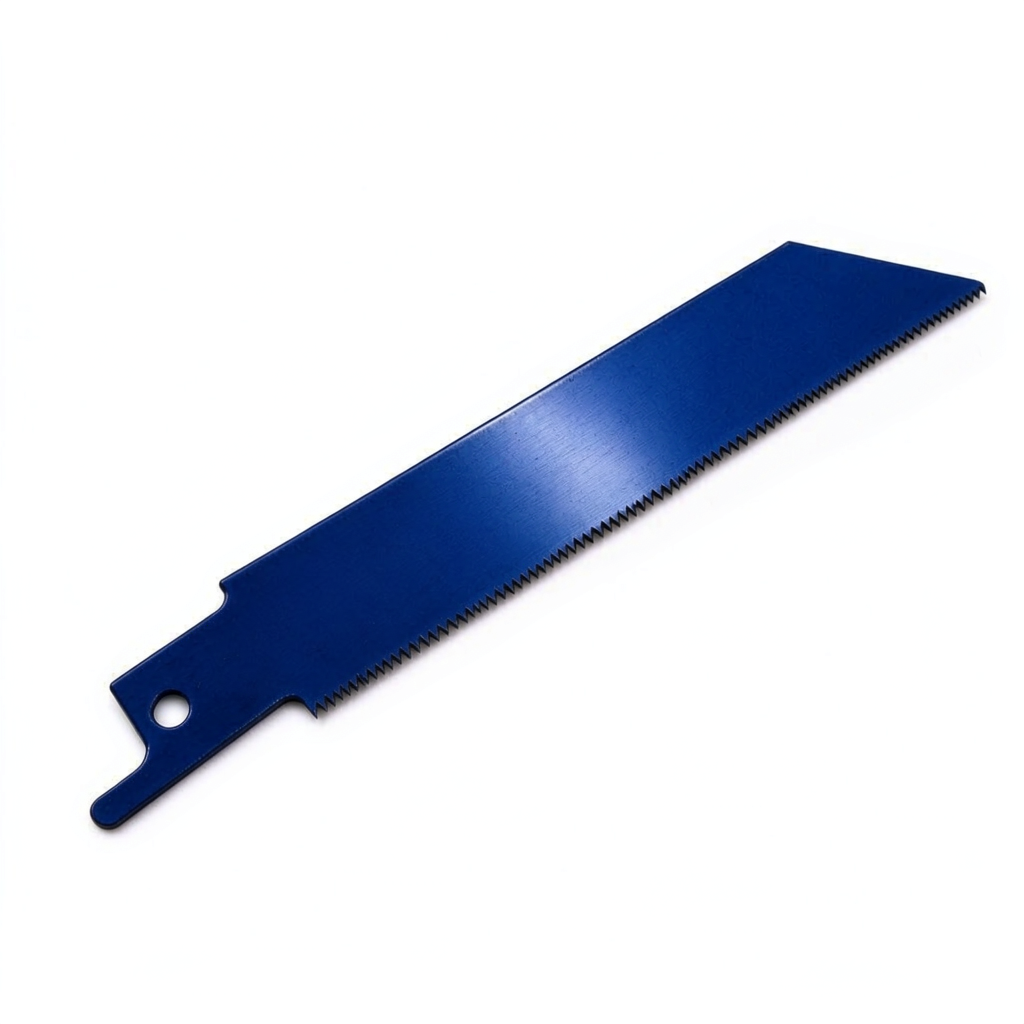
Bi-metal reciprocating saw blades: a high-speed steel tooth edge welded to a flexible alloy backing, so the blade cuts metal without shattering when it catches an edge or bottoms out in a cut.
Why this blade
- Bi-Metal, Not Carbon Steel: A bi-metal blade is a strip of high-speed steel teeth electron-beam welded to a flexible spring-steel back. That combination is what lets it cut steel and still bend instead of snapping when the shoe rides off the material. High-carbon blades are cheaper and cut wood faster, but they will not survive metal.
- Pick the Tooth Count for the Job: Tooth count is a wall-thickness decision, not a preference. 18 TPI clears chips out of pipe, angle iron and heavier steel without loading the gullets; 24 TPI keeps three or more teeth inside the cut on thin-wall conduit, sheet metal under 1/8 in. and copper tube. Too coarse and thin metal snags; too fine and thick metal glazes the teeth.
- Shank and Fit: Standard 1/2 in. universal shank, so the blade goes straight into Milwaukee Sawzall, DeWalt, Makita, Bosch, Ryobi and most other reciprocating saws and cordless sabre saws without an adapter.
Which tooth count to use
| Pitch | Best for |
|---|---|
| 24 TPI | Thin-wall material: EMT conduit, sheet metal under 1/8 in., copper and PVC pipe, aluminium trim. The finer pitch puts more teeth in the cut, which is what keeps thin stock from snagging and tearing. |
| 18 TPI | General metal cutting: 1/2 to 2 in. steel and galvanised pipe, angle iron, threaded rod, rebar, and nail-embedded lumber where the tooth has to survive hitting steel. |
Pack sizes
| Pack | Price | Per blade |
|---|---|---|
| 10 Pack | $27.99 | $2.80 |
| 25 Pack | $55.99 | $2.24 |
| 50 Pack | $100.99 | $2.02 |
| 10 Pack | $27.99 | $2.80 |
| 25 Pack | $55.99 | $2.24 |
| 50 Pack | $100.99 | $2.02 |
Fit: standard 1/2 in. universal shank - fits Milwaukee Sawzall, DeWalt, Makita, Bosch, Ryobi and most reciprocating saws. No adapter needed.
Safety: wear eye and hearing protection, clamp the workpiece, and keep hands clear of the cut line. Reciprocating blades cut on both stroke directions - never reach under the material.
Shipping & returns: ships from our own stock. If a blade does not match the description, contact us and we will make it right.
Couldn't load pickup availability
- 2-Year Warranty
- 30 Days Money Back
- Free Shipping
Bi-Metal, Not Carbon Steel
A bi-metal blade is a strip of high-speed steel teeth electron-beam welded to a flexible spring-steel back. That combination is what lets it cut steel and still bend instead of snapping when the shoe rides off the material. High-carbon blades are cheaper and cut wood faster, but they will not survive metal.

-

Pick the Tooth Count for the Job
Tooth count is a wall-thickness decision, not a preference. 18 TPI clears chips out of pipe, angle iron and heavier steel without loading the gullets; 24 TPI keeps three or more teeth inside the cut on thin-wall conduit, sheet metal under 1/8 in. and copper tube. Too coarse and thin metal snags; too fine and thick metal glazes the teeth.
-

Shank and Fit
Standard 1/2 in. universal shank, so the blade goes straight into Milwaukee Sawzall, DeWalt, Makita, Bosch, Ryobi and most other reciprocating saws and cordless sabre saws without an adapter.
-

Cutting Metal Without Wrecking the Blade
Run lower speed and light pressure, and let the blade do the work. High rpm on thin metal work-hardens the edge and strips teeth. Keep the shoe pressed against the workpiece so the blade does not chatter, and clear chips rather than pushing through a packed kerf.


Buy the Pack, Keep Cutting
Blades are consumables, and a crew burns through them. Against the 10-pack the 25-pack works out about 20% cheaper per blade and the 50-pack about 28%, so a spare rides on the truck instead of costing a supply-house run mid-job.

-
Repeat Supply for Crews and Facilities
Buying blades on a PO cycle rather than one pack at a time is how shops and maintenance departments actually control cost. Tell us the lengths and tooth counts you go through and we will quote standing quantities.
-
-