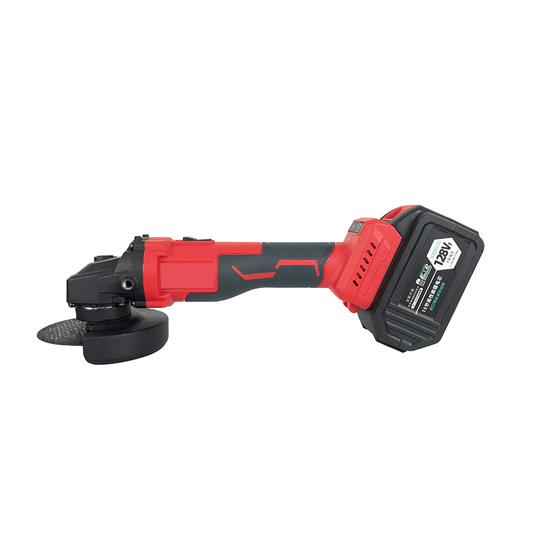
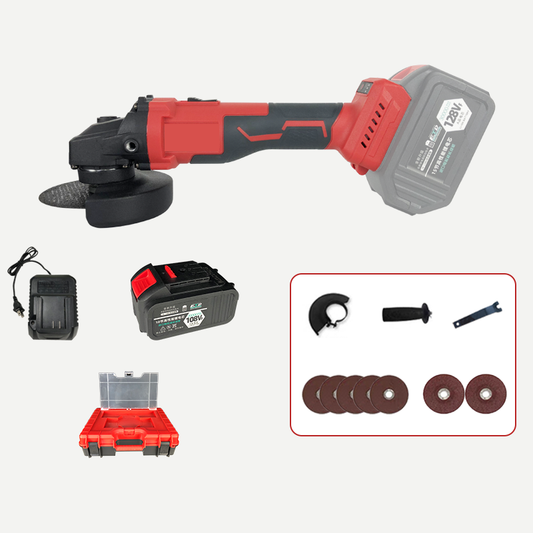
Inspecting a Worn Cut-Off Wheel: Condition Matters More Than a Single Measurement
Different cutting wheels wear in different ways. A bonded abrasive wheel commonly loses diameter, while a single-layer diamond wheel may lose cutting ability through changes in its abrasive layer. Neither diameter nor cut time alone establishes whether a wheel is fit to use.
Inspect with the tool isolated
Disconnect the energy source and wait for all motion to stop. Remove or access the wheel only as instructed. Check the label, bore, cutting edge, body and mounting surfaces for the defects described by the manufacturer.
Cracks, distortion, missing abrasive or segments, damaged mounting features and unexplained vibration are reasons to stop and assess the equipment. Do not run a thumbnail along a potentially cracked slot or use a powered marker-contact test to find a high spot.
Use the correct limits for the product
Follow the manufacturer's wear, damage, age and storage requirements. A universal minimum diameter, rim thickness or percentage increase in cutting time can be misleading. Do not move a worn wheel to a different tool to bypass its original service limits.
A slower cut may reflect changed material, supply voltage, mounting, contamination or tool condition as well as abrasive wear. Investigate those possibilities without forcing the feed or using a suspect wheel for another trial.
Keep a useful replacement record
Record the product, material and reason for retirement. Photographs taken with the tool isolated can help a supplier review recurring wear. Remove rejected wheels from service so they cannot be remounted accidentally. Resume only with an approved wheel and a tool whose condition and mounting have been checked.