Glass Tile and Mosaic Trimming: Achieving Clean Cuts with 400 & 800 Grit Fine Diamond Discs
If you’re cutting glass tile without cracking, don’t attack the finished edge with a coarse abrasive and expect finesse. Make the primary cut with the proper glass-cutting tool, then trim, shape, and refine the edge progressively with a fine grit diamond disc for glass. On delicate mosaics, 400 and 800 grit are finishing tools—not magic substitutes for proper cutting technique.
Glass will punish a sloppy setup faster than almost anything on a tile job. You can spend half a day laying an expensive mosaic backsplash, reach the last outlet or exposed edge, and destroy a piece in seconds because somebody grabbed the same coarse wheel they used on stone. The grinder bounces, the edge starts flaking, and then a shell-shaped fracture runs farther into the face than you planned.
That little chip costs more than the tile. Now you are digging a finished piece out of thinset, cleaning the bed, cutting another piece, and hoping the replacement matches the pattern.
That is why experienced installers do not treat glass like granite with a prettier face.
Why the Old Way Cracks Glass Tile
Glass is hard, but hardness is only half the story. It is also brittle. It does not tolerate concentrated impact or uncontrolled edge loading the way a tougher material might. Once a crack starts at a flaw, chip, or heavily loaded contact point, it can propagate through the material instead of deforming harmlessly.
That is where trimming glass mosaic tile gets ugly.
A coarse abrasive removes material aggressively. That can be useful during earlier stock removal, but it also creates deeper scratches and greater localized loading at a fragile glass edge. Push too hard, hold the grinder at a bad angle, or let the wheel bounce and those loads become potential fracture starters. What looks like a tiny edge defect can turn into the familiar curved, shell-like damage known as conchoidal fracture.
Heat is another enemy. Grinding concentrates energy into a small contact zone. Leaning harder on the grinder does not automatically make the job faster; it can increase heat while reducing control. If the abrasive is no longer cutting effectively, extra pressure is usually the worst answer.
Then check the grinder itself. A disc that is mounted poorly, a dirty mating surface, or an accessory that does not run true can introduce vibration and runout. On a concrete edge you might tolerate some roughness. On decorative glass, that chatter can show up immediately as edge damage.
Contractors sometimes call this "bad glass." Most of the time, the glass is telling you exactly what went wrong: wrong abrasive, wrong pressure, wrong setup, or too much material removed in one pass.
The RedhawkPro diamond flap wheel collection gives fabricators grit options intended for different stages of grinding and finishing rather than forcing one aggressive disc through every operation.
Cutting Glass Tile Without Cracking: Finish the Edge, Don’t Fight It
The RedhawkPro 4-1/2 Inch Electroplated Diamond Flap Disc is built around a different idea from a rigid, coarse grinding wheel. Its overlapping electroplated diamond flaps create a broad working surface for controlled edge shaping, deburring, chamfering, and refinement on hard materials including glass, ceramic, porcelain, and stone.
The 4-1/2-inch disc uses a threaded hub and is offered in 5/8"-11 and M14 configurations for compatible angle grinders. Grit selections extend from aggressive grades into fine finishing grades, including 400 and 800 grit. That matters because professional glass finishing should be treated as a progression: remove only the material you actually need to remove, then move finer as the edge approaches its final geometry.
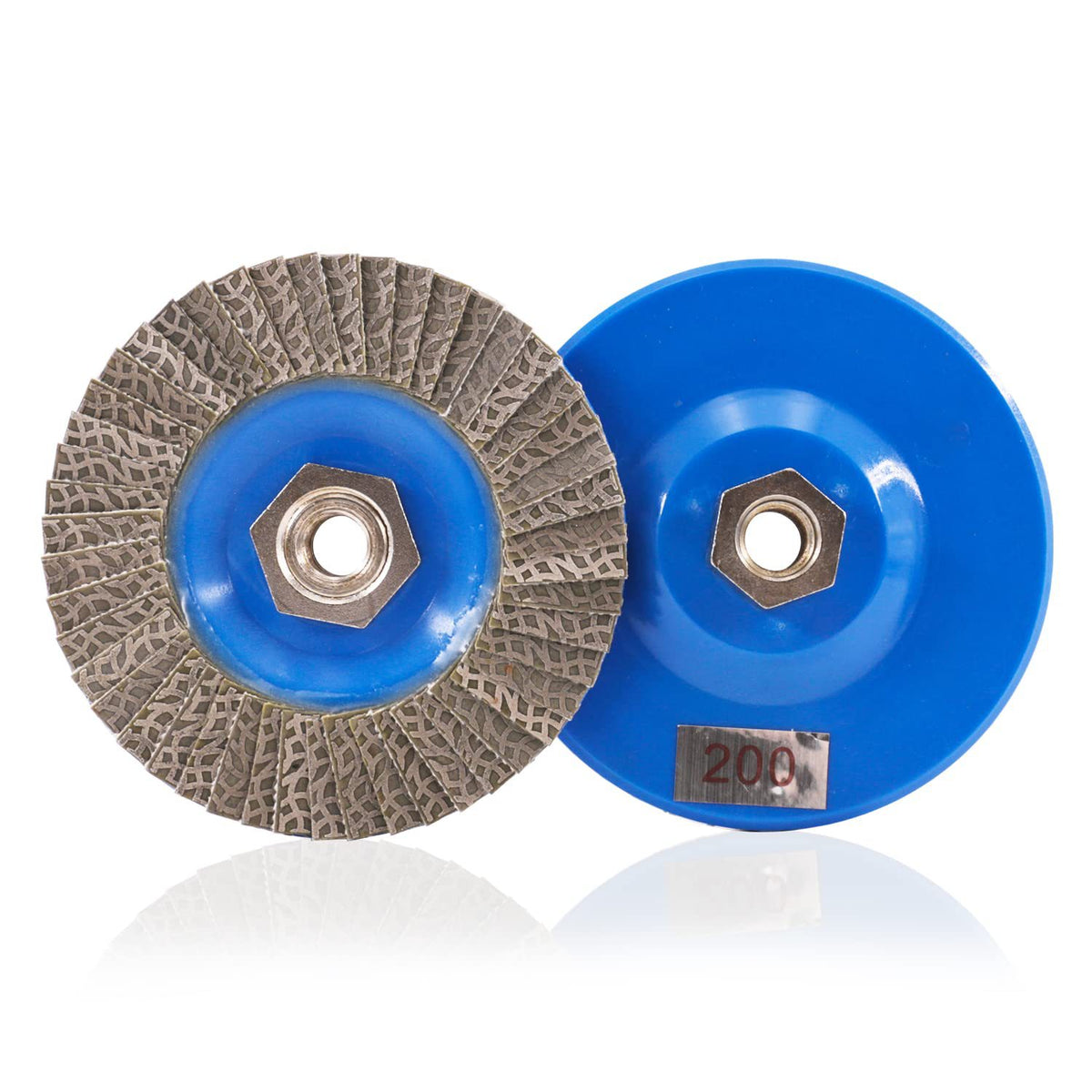
Figure 1: RedhawkPro’s overlapping electroplated diamond flap design spreads the working contact across multiple flexible abrasive sections, giving the operator better control when refining brittle glass and mosaic edges.
Here is the distinction that matters: a 400 grit diamond flap disc or 800-grit version should not be sold as the tool that magically makes every primary glass cut. Use the correct cutting method first. The fine diamond flap disc earns its money afterward—correcting small irregularities, refining an exposed edge, easing a sharp corner, or bringing a trimmed mosaic closer to its finished line.
Setup matters just as much as grit. Match the threaded hub to the grinder spindle and verify that the accessory is properly seated before starting. Use the grinder and disc only within their specified ratings. There is no universal RPM number worth making up because grinder specifications, accessory ratings, and the workpiece all matter.
Pressure should stay controlled. Let the diamond contact do the cutting instead of driving the grinder into the edge. Keep the tool moving rather than dwelling on one small section and building unnecessary heat. When smoothing a glass tile edge with an angle grinder, your goal is controlled material removal, not seeing how quickly you can make the edge disappear.
The same logic applies to cooling. If the specific process and equipment permit wet work, cooling can help manage grinding heat and debris, but never introduce water around equipment that is not designed and rated for that use. Dry grinding requires equally disciplined heat management: light passes, movement, inspection, and time for the workpiece to cool when necessary.
For broader hard-material finishing work, RedhawkPro also offers a 60-flap electroplated diamond flap disc for stone, tile, glass, ceramic, metal, and carbide. Choose the wheel and grit for the material and finish you actually need—not whatever happens to be lying in the truck.
Jobsite Decision Table: Coarse Correction vs. Fine Diamond Finishing
| Dimension | Old/Standard Method | RedhawkPro Engineered Approach |
|---|---|---|
| Cut Speed | Aggressive removal can feel fast but may create extra corrective work | Progressive grit selection trades brute removal for controlled finishing |
| Edge Quality | Coarse scratches and concentrated loading can increase visible edge damage | 400/800 grit options support finer refinement of exposed glass edges |
| Tool Life | Excess pressure and heat can waste usable abrasive performance | Electroplated diamond flaps are used with controlled pressure and progressive passes |
| Safety/Risk | Chatter, heavy pressure, poor mounting, and forcing the edge raise breakage risk | Correct hub fit, controlled contact, and appropriate grit reduce unnecessary abuse |
| Cost-Per-Cut | One ruined mosaic can erase the savings from a cheap abrasive | Better edge control can reduce rework, replacement tile, and labor spent correcting damage |
Golden Rules for Glass and Mosaic Edges
Do not jump straight from rough cutting to cosmetic finishing and expect one grit to do everything. If substantial material still has to come off, establish the geometry first, then progress toward 400 or 800 grit for refinement. Fine grit used as a substitute for heavy stock removal wastes time and encourages the operator to push too hard.
Check runout before touching expensive glass. Clean the mounting surfaces, seat the threaded disc correctly, and test the grinder before bringing it to the finished work. Visible wobble or abnormal vibration is a stop sign, not something you "work through."
Listen to the motor and watch the edge. If you have to lean into the grinder to make progress, something is wrong with the abrasive choice, technique, or setup. Back off. Glass rewards patience and punishes force.
RedhawkPro does not claim an unverified surface roughness number for the 800-grit version. Until measured Ra data is established, grit designation—not an invented finish specification—is the honest way to select the finishing stage. You can learn more about the company and its tooling approach on the RedhawkPro Tools About Us page.
Stop Letting a Cheap Disc Ruin Expensive Glass
For cutting glass tile without cracking, make the cut with the right tool and finish the edge with the right abrasive. Use the RedhawkPro fine-grit electroplated diamond flap disc for controlled 400- and 800-grit refinement. Cheap tooling is not cheap when one bad edge doubles the labor on the piece.