Gas Cut-Off Saw Maintenance: Daily Checks and Service Planning
A gas cut-off saw needs routine checks of its air intake, fuel system, drive, water delivery and blade mounting. Concrete dust and slurry make neglected maintenance costly, but a universal “10-minute service every 10 hours” is not a substitute for the manufacturer's schedule.
Build your routine around the exact model and operating conditions. Dusty work, long shifts and water quality can change how often inspection is needed.
Before each shift
With the engine stopped and the machine isolated as required, inspect the blade, guard, handles and mounting assembly. Look for leaks, loose parts, damaged hoses and evidence of wear. Check the controls and safety functions using the manual's procedure.
Confirm that the blade diameter, bore, speed rating and application match the saw. Clean mounting surfaces without gouging them, and use the specified flanges, hardware and tightening torque.

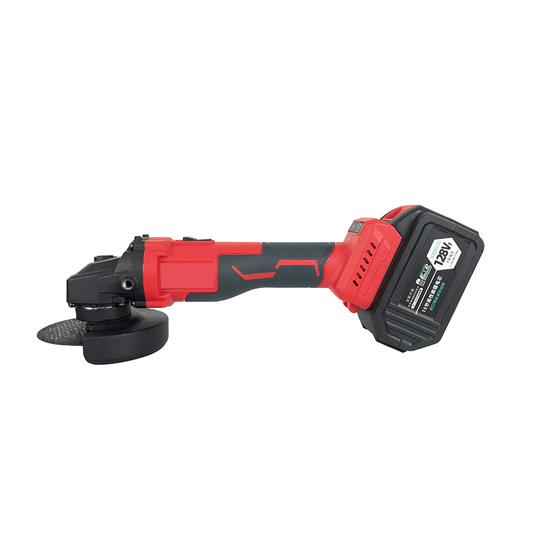
RedhawkPro gas cut-off saw. Confirm specifications and approved applications before use.
For the RedhawkPro gas cut-off saw, obtain the current operator manual before setting service intervals or choosing consumables. Engine displacement alone does not establish the fuel ratio, filter type, belt tension or maximum cutting depth.
Air filter: identify the element first
Inspect the intake and service the filter by the specified method. Some elements are replaced rather than washed or blown clean. Compressed air can damage certain filter media and disperse collected dust; do not use it unless the exact manual permits it.
A restricted filter can reduce performance. Do not diagnose a lean-running engine from filter blockage alone, and do not compensate for poor performance by adjusting the carburetor without the proper procedure.
Fuel: use the specified mix and storage practice
Use the required fuel grade and approved two-stroke oil at the stated ratio. Prepare and store fuel in an approved labeled container, observing the fuel supplier's and saw manufacturer's storage limits.
Refuel only after stopping the engine and allowing it to cool as instructed, away from ignition sources. Follow the manual for longer storage; do not assume running the carburetor dry every evening is required for every model.
Drive and water delivery
On belt-driven saws, inspect and adjust the belt at the specified intervals. Some systems use model-specific tensioning procedures, so a generic thumb-deflection test is inadequate.
Check water delivery before cutting and after supply changes. Clear or replace blocked components by the approved method. Clean external slurry deposits before they harden and flush or drain the system as instructed, including freeze protection where relevant.
| When | What to plan |
|---|---|
| Before work | Blade, guard, mounting, leaks, controls and water checks |
| At safe work breaks | Look for damaged hoses, dust buildup and performance changes |
| At blade changes | Inspect blade, bore, spindle and flange contact surfaces |
| At manual-specified hours | Filter, drive, ignition and other scheduled service |
| Before storage | Fuel and water-system preparation per the manual |
Diagnose before replacing parts
Hard starting, power loss and drifting cuts have several possible causes. Stop and check the appropriate system rather than assuming every slowdown is a dull blade or every water fault is scale.
Record operating hours, symptoms, service dates and parts replaced. If the blade moves at idle or a safety function fails, take the saw out of service until corrected under the manual's procedure.
A documented routine helps the next operator understand the machine's condition. Pair that routine with a material-appropriate concrete blade, verified against the actual mounting and operating limits, before returning the saw to work.