Flat vs Concave vs Inclined Wood Carving Discs: Matching Wheel Geometry to Sculpting Tasks
A flat concave inclined carving disc setup is not three versions of the same tool. Flat discs are best for broad leveling and open-surface shaping, concave discs are built to hollow and follow inward curves, and inclined discs bridge the gap when you need controlled contouring, bevels, and transitions. Pick the geometry by the surface you need to create—not by which disc looks most aggressive.
That sounds obvious until you watch somebody try to hollow a chair seat with a flat wheel. The grinder gets tipped onto an awkward angle, only a small section of the cutter is doing useful work, and suddenly the operator is fighting chatter instead of shaping wood. Then comes more pressure, more heat, deeper gouges, and twenty minutes of sanding to repair five minutes of bad grinding.
A good carving disc should make the shape easier to produce. If you have to wrestle the grinder into position, there’s a good chance you picked the wrong geometry.
Why Wood Carving Disc Shapes Matter More Than Aggressiveness
Every angle grinder carving wheel has a contact patch—the part of the cutter actually engaging the wood. Change the shape of the disc and you change that contact patch, the direction of cutting force, how easily the wheel enters a curve, and how much control the operator has over material removal.
A flat disc naturally favors open surfaces. Lay it into a broad area and you can sweep across high spots with overlapping passes. That makes sense for leveling slabs, flattening rough stock, cleaning irregular surfaces, shaping stump sculptures, and blocking out large forms.
Push that same geometry into a deep hollow and things get ugly. To reach the bottom, you have to increase the grinder angle. Now the contact area becomes smaller and the wheel may cut much more aggressively at one point than another. Instead of following the intended curve, you start carving a series of accidental flats and gouges.
A concave wheel solves a different problem. Its curved profile lets the cutting surface enter hollow geometry more naturally. It is better suited to bowls, chair seats, trays, recessed sculpture, and other internal contours where the finished surface itself curves inward.
Inclined geometry sits between those jobs. Instead of being completely flat or deeply dished, the working surface is angled. That geometry can give you better access to sloped surfaces, transitions, bevel-like forms, and sculptural contours without forcing the grinder into an extreme working position.
That’s the real point of any serious wood shaping disc comparison: geometry controls how the cutter meets the wood. Trying to compensate for the wrong geometry with more pressure is how cheap tooling turns into expensive labor.
Flat Concave Inclined Carving Disc: Which Geometry Fits the Job?
Start with the shape you want to leave behind.
The RedhawkPro Flat Wood Carving Disc is the workhorse for broad, accessible surfaces. If you’re bringing down a high spot, leveling rough timber, shaping the outside of a sculpture, cleaning a slab surface, or establishing a relatively open profile, flat geometry gives you a predictable working face.

Figure 1: The RedhawkPro Flat Wood Carving Disc puts its cutting geometry across a broad working face, making it the logical starting point for leveling, rough shaping, and open-surface stock removal.
Think of the flat wheel as the planer of the group—not literally a planer, but in terms of the geometry it wants to create. It wants room to move. Use controlled overlapping passes rather than parking the cutter in one location and digging a crater.
Now take the same project and add a hollow. Maybe it’s a chair seat, wooden tray, bowl-like sculpture, or recessed section in a stump carving. That is where the RedhawkPro Concave Wood Carving Disc earns its place. Its curved geometry is better matched to inward surfaces, allowing the working face to enter and follow concave forms without forcing a flat disc onto its edge.
An inclined disc belongs between those two extremes. It makes sense when the surface isn’t truly flat but doesn’t require deep hollowing either: sloping transitions, outside contours, chamfered forms, sculptural shoulders, and areas where you want the cutter to approach the work at a more useful angle.
So which wood carving disc to buy? If most of your work is slab leveling and broad shaping, start flat. If you regularly carve bowls, seats, and recesses, concave geometry deserves a spot in the box. If your work involves flowing transitions and angled sculptural surfaces, inclined geometry becomes useful.
Professional carvers usually stop asking which shape is “best” once they understand that each one removes wood differently. You can compare the available geometries in the RedhawkPro wood carving disc collection.
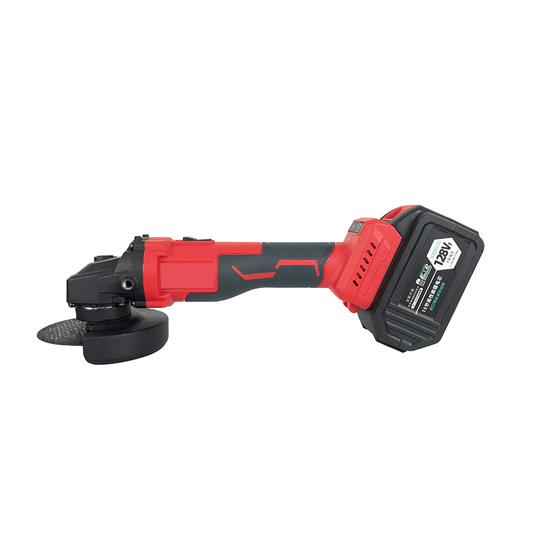
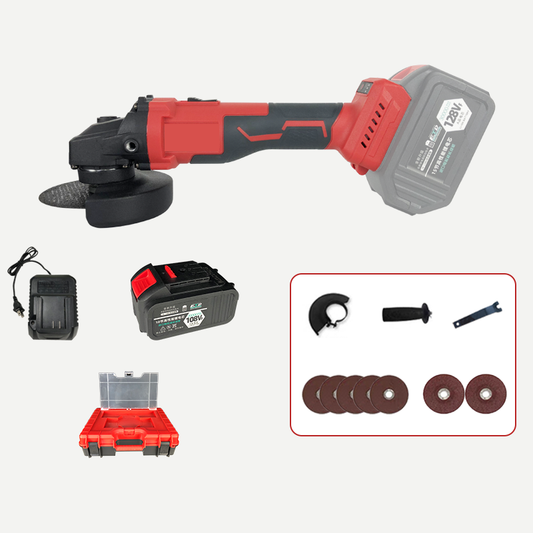
Whatever shape you choose, setup stays the same in one important respect: don’t overpower the cutter. Use a compatible angle grinder, verify that the accessory is correctly mounted, keep the guard and auxiliary handle in place where required, and stay within the speed ratings of both grinder and accessory. There is no legitimate universal RPM number for every disc, grinder, and wood species.
Cooling is mostly a matter of controlling the cut rather than trying to drown the work. Wood carving is generally a dry operation. Keep the cutter moving, clear accumulated debris as appropriate with the tool stopped, and avoid excessive pressure. If the motor is laboring hard, backing off is usually smarter than forcing the disc deeper.
And remember what these tools are for. An angle grinder wood carving wheel is a shaping tool. It does not turn an angle grinder into a circular saw for crosscutting lumber.
One-Disc Carving vs. Geometry-Matched RedhawkPro Approach
| Dimension | Old/Standard Method | RedhawkPro Engineered Approach |
|---|---|---|
| Cut Speed | One aggressive wheel is forced through flats, hollows, and contours regardless of geometry | Flat, concave, or inclined geometry is selected according to the shape being produced |
| Edge Quality | Poor contact angle can create gouges, accidental flats, ridges, and extra sanding | Geometry-matched contact makes controlled transitions and progressive shaping easier |
| Tool Life | Wrong working angle and excessive pressure can increase heat, loading, and unnecessary wear | Correct geometry allows useful cutting contact without relying on brute pressure |
| Safety/Risk | Extreme grinder angles, one-handed reaches, incorrect mounting, and forced cuts increase avoidable risk | Better geometry lets the operator maintain a more controlled tool position with proper two-handed handling |
| Cost-Per-Cut | A cheap “do-everything” disc can create extra grinding, sanding, and rework | Purpose-matched discs reduce wasted passes and let each cutter work where its geometry makes sense |
Three Golden Rules for Choosing and Running Carving Wheels
First, match the cutter to the finished surface—not the starting block. A rough square blank tells you almost nothing about which disc you need. Look at the final geometry. Broad and open means flat; hollow means concave; sloped and transitional surfaces point toward inclined geometry.
Second, vibration means inspection time. Stop the grinder and check the accessory, mounting interface, and spindle if you feel abnormal chatter or runout. A cutter that isn’t running true will not suddenly become accurate because you grip the grinder harder. Poor mounting turns vibration into unwanted material removal.
Third, never use motor load as proof of productivity. A screaming or bogging grinder does not mean you’re getting more work done. Excessive pressure reduces steering control and increases heat. Let the cutting geometry work, take controlled passes, and remove more material with another pass instead of gambling the whole surface on one aggressive move.
Buy the Shape You Need, Not the Disc That Looks Meanest
There is no single best carving wheel for every job. Choose flat for open surfaces, concave for hollows, and inclined geometry for transitions and angled forms. Start with the RedhawkPro Flat Wood Carving Disc and build your carving setup around the shapes you actually make. Cheap, poorly matched tooling saves money once and can double your labor on every project after that.