Diamond Blade Binding: How to Stop and Recover Safely
If a diamond blade binds, release the throttle and maintain control of the saw. Do not force it forward, twist it sideways or try to power through the pinch. Follow the machine's stopping procedure and wait for all blade movement to stop.
Recovery starts by making the equipment and workpiece safe. A stronger blade is not a substitute for preventing a closing kerf or supporting the material.
Why blades bind
A kerf can close when an offcut moves, a slab shifts or supported material sags. Misalignment, side loading and unsuitable equipment can also contribute. The cause must be addressed before another pass.
The reaction depends partly on where the blade is pinched. Husqvarna's power-cutter guidance describes the risk of rotational kickback in the blade's kickback zone. Do not assume every bind merely slows the saw or pulls it forward.
A safe recovery sequence
- Stop the cutting action. Release the throttle, hold the machine securely and follow its shutdown procedure. Keep others away.
- Isolate against accidental restart. With the blade stopped, apply the manufacturer's isolation procedure before handling the blade or attempting release.
- Assess material movement. Identify what closed the slot and whether the remaining slab, pipe or offcut can move further. Use competent assistance when support or structural stability is uncertain.
- Stabilize before release. Arrange an appropriate support and release method. Do not hammer improvised block fragments beside a trapped blade or lever against the core.
- Remove and inspect. Free the blade without bending or twisting it, following the equipment procedure. If it cannot be released safely, stop and obtain specialist assistance.
There is no fixed recovery time. A trapped blade is not a reason to rush the support assessment.
Inspect before returning to service
With the machine isolated, inspect the blade for cracks, distortion, missing or damaged segments, abnormal side wear and damage around the bore. Check the flanges, spindle, guard and mounting hardware as directed by the manual.
Remove damaged or questionable components from service for assessment. A blade can suffer damage without an obvious bend; do not assume it survived because the core looks flat.

RedhawkPro concrete diamond saw blade. Confirm specifications and approved applications before use.
The RedhawkPro concrete diamond blade should be selected by its documented material and machine compatibility. Laser welding or core construction does not guarantee survival after a binding event.
Prevent the next pinch
Plan support so the cut remains open without causing an offcut to fall or rotate. Use the correct blade, maintain alignment and avoid side pressure. If material moves unexpectedly, stop and reassess.
Do not cut unknown stressed reinforcement or post-tensioning components. These require an approved method and specialist involvement.
Can you restart in the existing cut?
Only after the cause is resolved and the saw can be reintroduced according to its manual. Never restart with the blade trapped or pressed against the kerf wall.
Does the same procedure apply to a grinder?
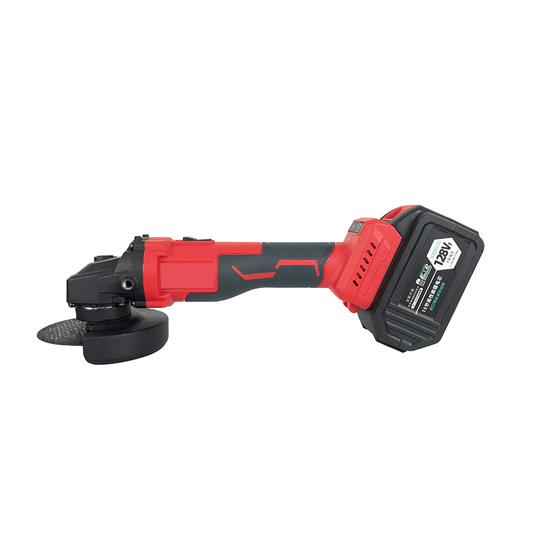
The principles of stopping, isolation and stable support still matter, but the tool-specific instructions differ. Use the grinder and wheel manuals rather than transferring a power-cutter procedure to another machine.