Cutting Concrete Near a Wall: Plan for the Saw's Actual Clearance
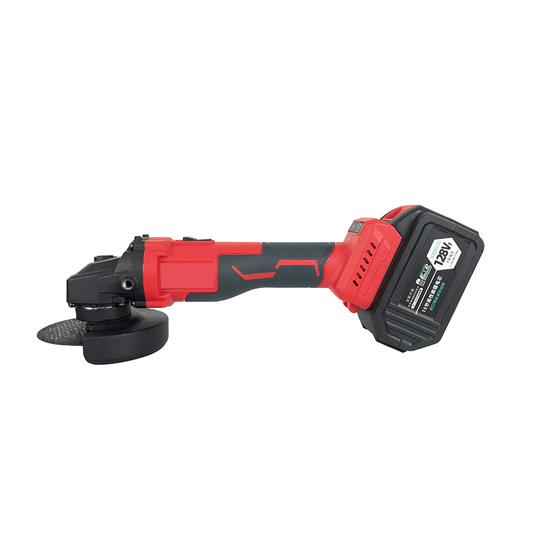
The cut closest to a wall depends on the complete saw, not just blade diameter. Guards, handles, motor housing and the operator's working position all require space. Measure the practical clearance with the equipment isolated before finalizing the layout.
Separate blade diameter from usable depth
A 14-inch blade has a 7-inch geometric radius, but the saw cannot normally use that entire radius as cutting depth. The spindle, flanges and guard reduce usable capacity. Confirm the machine's documented maximum depth and the clearance required for the intended operation.
The blade-to-housing distance is useful planning information, but it does not override the required guard position or safe handling clearance. Do not make a cut that traps a handle against the wall.
Do not gain clearance by side loading
Tilting a blade already in a kerf can load its sides and cause binding. A heat-treated core or laser-welded segments do not make that acceptable. Do not remove the guard, improvise a reversed configuration or lean the saw to squeeze closer.
Where the selected saw cannot reach, choose equipment designed and approved for the required close-wall work or use an approved staged removal method. A relief strip may be possible, but its width, cut sequence and breaking method must suit the structure and services. Do not rely on a universal one-blade-width strip.
Protect the wall and work area
Locate hidden services and assess structural implications before cutting or drilling. Plan dust capture or slurry recovery, fragment containment and a stable working position. Do not use a gasoline-powered cutter indoors or in an enclosed area. Stop if clearance or control becomes inadequate; changing the equipment is preferable to forcing the remaining inches.