Cutting Cast Iron Soil Pipe in a Basement: Plan Support and Containment First
Cutting an existing soil pipe can release more than the short section visible at the cut. Connected pipework may carry substantial loads, and old joints or adjacent materials may introduce additional hazards. A finished basement also makes dust, sparks and accidental water damage harder to contain.
Identify what the pipe is carrying
Have a qualified person assess the pipe layout and required permanent or temporary supports before disconnecting it. Do not assume a strap, timber block or a helper's hand can safely support a vertical stack. Isolate the service and confirm the work is authorized.
Identify suspect lead-containing joints, asbestos-containing materials or other contaminants before disturbance. Do not cut unidentified coatings or materials as though they were clean cast iron.
Choose a method for the location
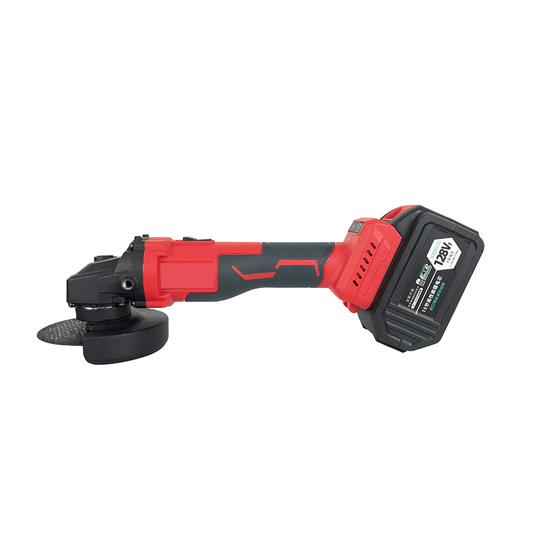
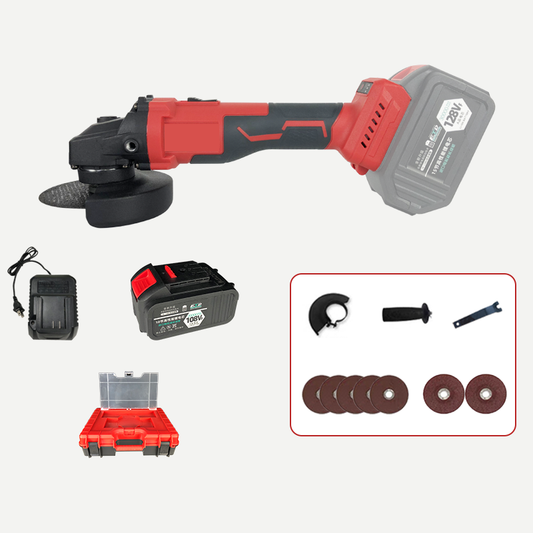
A suitable snap cutter or another approved method may reduce spark exposure, but suitability depends on pipe condition, access and the manufacturer's instructions. If powered cutting is selected, use a tool and wheel explicitly suitable for the pipe and available clearance. Do not use a gasoline-powered cutter inside the basement.
Remove combustible materials and follow the site's fire-prevention and hot-work requirements. Use appropriate dust capture and protective equipment. A damp towel is not a substitute for an engineered containment or fire-protection arrangement.
Keep the cut controlled
Secure both retained pipe and removed section using the planned supports. Keep hands and people clear of the cutting path and potential drop zone. If the cut binds or the pipe moves, stop and reassess instead of forcing the wheel. Treat sparks and sound as possible warning signs, not proof that the supports or kerf are safe.