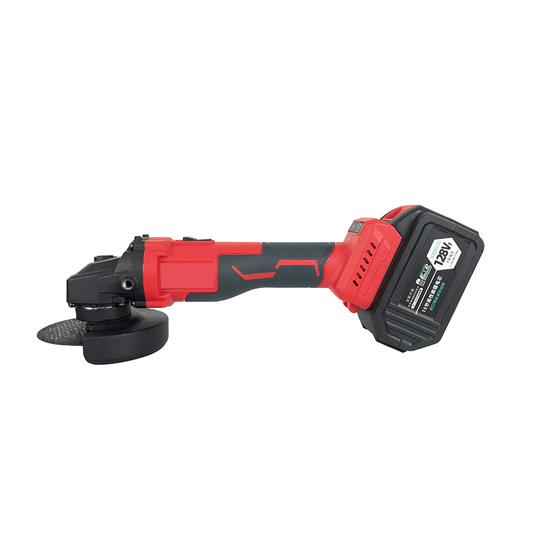
Cut-Off Wheel Side Load: Keep the Wheel in Its Intended Cutting Plane
A cutting-only wheel is designed for its specified cutting operation, not for sideways grinding or prying. A thin metal body or premium abrasive does not make lateral loading acceptable. The work support and tool position should allow the cut without twisting the wheel.
Align before entering the material
Check the cut line, tool clearance and body position with the tool isolated. Fit the approved guard and handles and support both work and offcut. Do not plan a cut that requires leaning the wheel sideways to clear an obstruction.
Use two-handed control and the posture described for the actual tool. A generic instruction to lock the elbows or pull in one direction does not suit every machine and orientation.
Distinguish cutting from finishing
Keep feed in the wheel's intended cutting plane. Do not use the side of a cutting-only wheel to flatten the stub or remove a burr. Norton's cutting-versus-grinding guidance explains the risk for cutting-off wheels. Use a separate approved finishing tool when required.
Stop when the cut stops being controlled
If the line walks, the wheel binds or vibration develops, follow the tool's stopping procedure. Hold it securely while it stops; do not force it out or restart inside a loaded kerf. Isolate the tool before checking the wheel, mounting and supports.
Re-entry or a new approach requires a clear, suitable kerf and a sound tool, not an automatic restart from the opposite end. Remove damaged or questionable wheels from service. Neither a polished kerf wall nor a spark pattern can prove a wheel is undamaged.