Concrete Saw Silica Dust Control: Water, Slurry and PPE
Concrete sawing can release respirable crystalline silica from silica-containing materials. Effective control starts at the blade, continues through cleanup and includes respiratory protection when required. A face shield protects against splash and fragments; it does not filter the air you breathe.
Use a written dust-control plan matched to the task and equipment. Wet cutting reduces dust, but it does not by itself prove that exposure is adequately controlled.
Set up water delivery before starting
Use the saw's approved integrated water system and follow the manufacturer's flow requirements. Check the supply, hoses and nozzles before the blade enters the material, and maintain continuous delivery during cutting.
If a plume develops, stop and investigate water flow and the setup. An absence of visible dust does not establish a safe exposure level.

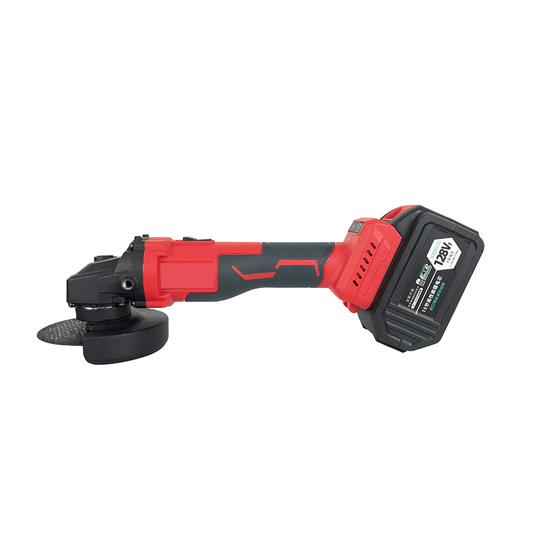
RedhawkPro gas cut-off saw. Confirm specifications and approved applications before use.
Before selecting the RedhawkPro gas cut-off saw, confirm the approved water-delivery configuration, blade compatibility and operating instructions. Gas-powered equipment also produces carbon monoxide: do not use it indoors or in poorly ventilated areas.
Know which respiratory rules apply
For U.S. construction work using the fully and properly implemented Table 1 method, OSHA's silica standard lists these minimum respiratory requirements for handheld power saws with continuous integrated water delivery:
| Handheld power saw task | Up to 4 hours per shift | More than 4 hours per shift |
|---|---|---|
| Outdoors | None under this Table 1 row | APF 10 |
| Indoors or enclosed areas | APF 10 | APF 10 |
These entries depend on implementing the specified controls and work practices. Follow OSHA's duration rules when combining Table 1 tasks. A different exposure-control approach requires the applicable assessment and protective measures. Other jurisdictions may impose different requirements.
Keep slurry from becoming airborne dust
Plan collection before cutting. Use suitable containment and a vacuum rated for wet collection. Remove residue before it dries, and dispose of it under local requirements rather than washing it into drains.
For dry cleanup, use an appropriate HEPA-filtered system or other permitted method. Avoid dry sweeping or compressed-air cleaning that redistributes silica dust; OSHA restricts these practices where they could contribute to exposure unless its stated exceptions apply.
Give each item of PPE its proper job
Eye protection and a suitable face shield address flying particles and slurry. Hearing protection addresses noise. A required respirator must be selected and used within the applicable respiratory-protection program, including medical evaluation and fit testing for tight-fitting respirators.
Do not substitute a face shield or a loose dust mask for specified respiratory protection.
A practical pre-cut check
Confirm water delivery, the blade and guard, slurry collection, exclusion of bystanders and required PPE. Check the system again after interruptions and supply changes.
Is wet cutting dust-free?
No. It reduces dust generation and release but does not eliminate every exposure pathway, especially during cleanup.
Can a vacuum replace water?
Only when the specific equipment, task and applicable exposure-control method support it. A generic shroud or shop vacuum should not be assumed to satisfy the handheld-saw Table 1 water method.