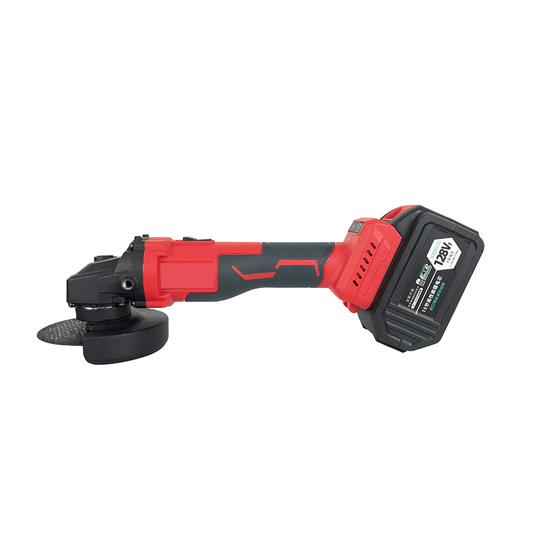
Ceramic vs Porcelain Cutting Resistance: Adjusting Grinder Pressure to Prevent Tile Shock
To master ceramic vs porcelain tile cutting without cracking slabs, eliminate heavy downward force when transitioning to porcelain. Porcelain's extreme density (water absorption below 0.5% and Mohs hardness of 7) resists blunt penetration, turning excessive downward pressure into destructive thermal-mechanical shockwaves. Let exposed diamond grits shear the vitrified matrix through high peripheral speed, steady tracking, and minimal infeed load.
Every installer has experienced that sickening snap on the jobsite. You spend half a day cutting standard soft red-body ceramic wall tiles, cruising along with steady downward lean on your angle grinder. Then the schedule shifts to the master bath floor: large-format, vitrified porcelain panels running sixty bucks a carton. You lay out the scribe line, drop the spinning blade into the body, and push down with that exact same ceramic-cutting muscle memory. Four inches into the cut, a sharp crack echoes across the room. The entire three-foot plank fractures diagonally across the face, leaving a jagged edge and an unrecoverable piece of scrap in your hands.
Why the Old Way Fails: The Mechanics of Tile Shock
The core reason for sudden fracture is failing to respect the material differences between ceramic and porcelain bodies. A standard ceramic tile features a porous earthenware biscuit with water absorption exceeding 10% and a Mohs hardness between 4 and 5. It is soft and easily abraded. Vitrified porcelain, by contrast, is pressed from refined kaolin clays, feldspar, and quartz, fired at extreme temperatures into a glass-dense body with water absorption below 0.5% and a Mohs hardness reaching 7.
When you apply aggressive downward pressure to porcelain using a standard sintered blade, the mechanics fight back immediately. The dense silicate matrix resists diamond penetration. Instead of shearing clean micro-chips, heavy downforce generates severe localized heat. That concentrated thermal spike creates an intense temperature gradient between the scorching cut kerf and the cool surrounding slab. At the same time, physical downforce deflects the blade core, causing micro-chatter and lateral arbor runout.
This combination of heat accumulation and mechanical vibration triggers what seasoned fabricators call tile shock. The internal tension within the vitrified matrix suddenly releases, propagating a stress fracture ahead of the blade that splits the entire tile. From a contractor's perspective, tile shock destroys jobsite economics: burned-up premium stock, wasted setting hours on unbillable recuts, ruined layouts, and blown labor budgets.
The Engineered Fix: Constant Feed, Side Relief, and Low Infeed Load
Overcoming porcelain resistance requires a tool engineered to clear dust continuously and cut via peripheral diamond exposure rather than brute downward force. You need a blade that manages heat while providing active side-clearance so the core never binds inside the vitrified kerf.
The mechanical answer to dense tile cutting is the RedhawkPro 4-1/2" Turbo Wave Electroplated Diamond Wheel. Instead of relying on a recessed metal bond that glazes over when starved of swarf, this wheel features a precision high-tension core coated with nickel-electroplated diamonds across both face walls. The corrugated turbo-wave pattern actively evacuates pulverized dust, preventing core friction and keeping operating temperatures low.
To dial in your setup and prevent tile shock cracking, adopt this battle-tested operational discipline:
First, retrain your hands on tile cutting pressure angle grinder handling. When engaging dense porcelain, apply zero downward body weight. The tool's own operating weight combined with feather-light guidance is all the downward force required. Let the high peripheral tip velocity of the exposed diamond points micro-fracture and shear the silicates. If you feel the need to bear down, your tooling is glazed or poorly matched.
Second, approach the cut with a two-stage pass on glazed or polished surfaces. Make an initial score pass roughly 1/16-inch deep across the entire line to relieve surface glaze tension. Once that path is cleared, complete the through-cut with a smooth, continuous forward feed. Maintain a steady, straight line of approach; never twist the tool inside the channel. The lateral diamond skirts on the RedhawkPro Turbo Wave Electroplated Diamond Wheel allow you to skim and clean the edge profile without wedging the blade core. For shops handling varied jobs, maintaining a full selection of job-matched diamond cutting wheels ensures you never compromise blade geometry in tricky materials.
Jobsite Decision Matrix: Standard Method vs. Engineered Electroplated Approach
| Operational Dimension | Standard Sintered Blade / Heavy Downforce | RedhawkPro Turbo-Wave / Feather-Feed System |
|---|---|---|
| Linear Cut Speed | Sluggish in porcelain; high resistance forces operator to lean in | Rapid, continuous feed utilizing high diamond tip contact |
| Edge Quality & Chipping | Frequent edge breakout, shell chipping, and shock fracture | Clean, uniform cut shoulders with minimal micro-spalling |
| Thermal & Core Wear | Severe heat build, core dishing, and diamond bond glazing | Rapid dust clearance and open side cooling maintain cool running |
| Safety & Runout Risk | High kickback risk, arbor deflection, and sudden tile snapping | Stable tracking, smooth motor load, and balanced operation |
| True Cost-Per-Cut | Expensive due to high scrap rates and unbillable recut labor | Highly economical; maximizes slab yield and protects margins |
Troubleshooting & Veteran Golden Rules
Twenty years in the field and around manufacturing spindles teaches you that cutting hard porcelain is about tool setup and respect for the material. When working with ultra-dense vitrified panels, adhere strictly to these three golden rules:
First, recognize the physical hardness difference tile blade dynamics demand. You cannot treat a 7-Mohs porcelain plank like a 4-Mohs subway biscuit. Ceramic allows aggressive feeds because the soft clay matrix crumbles easily, whereas porcelain does not yield to blunt force. If you experience vibration or slow cutting during porcelain tile dense cutting, do not push harder. Check your blade immediately. If the rim has glazed over with melted silicate residue, dress the wheel with two shallow passes through a soft dressing brick or scrap sandstone to refresh the diamond facets.
Second, verify your grinder flange runout. A warped flange washer or a caked layer of dried thinset on the grinder arbor turns a thin blade into an orbital battering ram. At high RPM, even slight runout hammers against the rigid edge of vitrified porcelain, triggering immediate fractures. Clean your arbor threads, inspect the inner mating flange, and confirm the wheel tracks dead flat before touching material.
Third, listen to your motor pitch. A bogged motor means the blade is binding, peripheral speed has dropped, and diamonds are rubbing rather than shearing. Keep the motor running free and unencumbered. For more insight into our tool engineering philosophy and testing standards, explore our company background and manufacturing story.
Blunt, cheap blades and heavy-handed habits will wreck your material budget and double your installation hours. Upgrade your grinder setup with the RedhawkPro 4-1/2" Turbo Wave Electroplated Diamond Wheel and make clean, predictable cuts on your next dense porcelain job.